Health and Safety Policy for Cleaner Merton
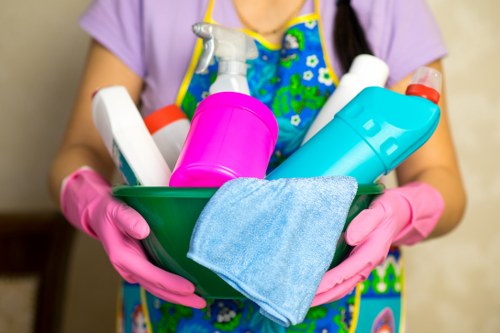 Cleaner Merton is committed to maintaining a safe, responsible, and well-organised working environment for every cleaning assignment. Our health and safety policy is designed to reduce risk, protect people, and support high standards of service across all tasks. We recognise that cleaning work can involve slips, chemical exposure, manual handling, electrical equipment, and cross-contamination risks, so we take a preventive approach to every job.
Our policy applies to all cleaners, supervisors, and anyone carrying out duties on behalf of Cleaner Merton. It covers domestic, office, communal, and specialist cleaning activities. Everyone involved is expected to understand their responsibilities, follow safe systems of work, and report anything that could affect safety. This helps us create a culture where safety is part of everyday practice, not an afterthought.
We aim to identify hazards before work begins and to take sensible measures that reduce harm. Whether the task involves vacuuming, floor care, waste removal, sanitising surfaces, or using cleaning agents, the work must be completed with attention to detail and care. Safety, hygiene, and accountability are central to the way Cleaner Merton operates.
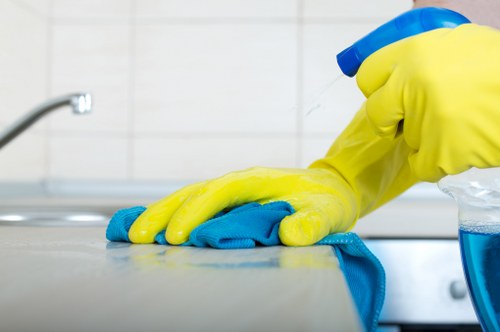 Risk assessment is a key part of our process. Before starting any assignment, we consider the location, the type of surface, the materials used, and any likely hazards. These may include wet floors, cluttered walkways, poor ventilation, broken fixtures, sharps, or unsafe storage of products. Where a hazard is identified, work may be adjusted, delayed, or completed with additional precautions.
We also expect all staff to use equipment correctly and only for its intended purpose. Cleaning machines, cloths, mops, ladders, and protective items must be inspected before use and kept in serviceable condition. Faulty equipment must be taken out of use immediately. This supports the overall commitment of Cleaner Merton to maintain high standards while protecting workers and occupants.
Training is another essential element of the policy. Every cleaner must receive suitable instruction on safe cleaning methods, chemical handling, hygiene control, and emergency actions. Clear instructions help reduce mistakes and make sure tasks are completed consistently. Refresher training is provided when needed, especially if new equipment, new products, or new procedures are introduced.
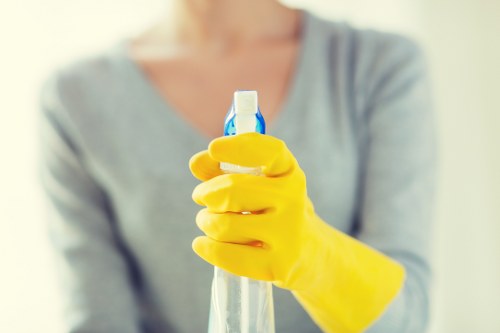 Chemical safety is managed carefully. Cleaning products must be stored securely, labelled correctly, and used according to the manufacturer’s instructions. Never mix chemicals unless the product guidance clearly allows it, as dangerous fumes or reactions may occur. Gloves, eye protection, or other suitable controls should be used where required. The aim is to protect both the cleaner and anyone nearby from avoidable exposure.
Manual handling is assessed before lifting, moving, or carrying heavy items such as bins, equipment, or supplies. Cleaners are encouraged to use proper posture, stable footing, and team support when a load is awkward or heavy. If a task seems unsafe, it should be paused until a safer method is arranged. In this way, Cleaner Merton reduces the chance of strains, sprains, and longer-term injuries.
Housekeeping standards are also important. Work areas should be kept tidy, with cords managed safely, trip hazards removed, and surfaces dried where appropriate. Waste should be collected and disposed of in the right manner. Where there is a spill, warning signs and temporary controls should be used immediately to protect building users and staff. Good housekeeping supports a safer, more efficient cleaning service.
In the event of an accident, incident, or near miss, it must be reported promptly so it can be reviewed and addressed. This includes cuts, slips, skin irritation, damage to equipment, or any situation that could have led to harm. Early reporting allows Cleaner Merton to investigate causes, improve procedures, and prevent repeat problems. Records are kept where necessary to support continuous improvement and accountability.
Personal protective equipment is provided or recommended according to the task being carried out. Depending on the job, this may include gloves, aprons, masks, eye protection, or non-slip footwear. PPE only works effectively when it is worn correctly and maintained properly. Staff are expected to check that protective items fit well and remain in good condition throughout use.
 Emergency readiness is part of our policy too. Cleaners should know how to respond to fire alarms, injuries, spillage incidents, and other urgent situations. If an emergency occurs, the priority is to protect life, alert the appropriate people, and follow the safest available route or procedure. Calm, informed action helps reduce the severity of an incident and supports quick recovery.
We also consider the wellbeing of the people who work for us. Safe scheduling, realistic workloads, and proper breaks help reduce fatigue and improve concentration. Where tasks require repetitive movements or extended standing, work practices should be adjusted where possible. Wellbeing and safety are closely linked, and a healthy workforce is better able to deliver reliable results.
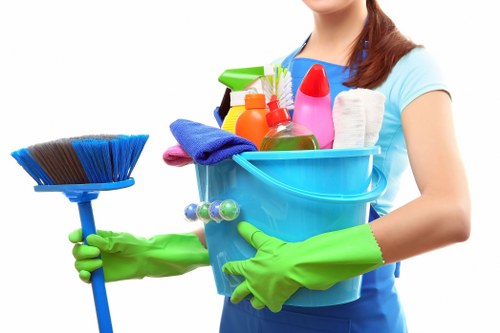 Review and improvement are ongoing responsibilities. This policy is checked periodically to make sure it remains effective, practical, and aligned with current working conditions. Feedback from inspections, incident reports, and operational changes is used to strengthen our procedures. By keeping the policy under regular review, Cleaner Merton supports a safer workplace and a more dependable service for every setting we clean.
In summary, Cleaner Merton’s health and safety policy is built around prevention, training, safe equipment use, careful product handling, and quick response to hazards. Every person involved has a role to play in keeping cleaning work safe, organised, and professional. Through consistent practice and strong attention to detail, we aim to protect people while maintaining excellent cleaning standards.