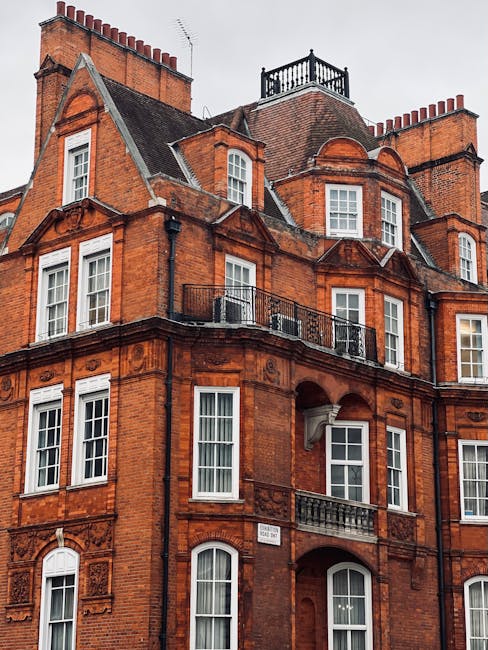
Cleaning in Conservation Areas: Merton Listed Building Tips

If you live or work in a conservation area, or you look after a listed building in Merton, cleaning is never just cleaning. A quick pressure wash, the wrong chemical, or even a well-meant scrub can leave marks that are hard to put right. The aim here is simple: keep the property looking cared for while protecting historic fabric, finishes, and the character that makes it special in the first place.
This guide to Cleaning in Conservation Areas: Merton Listed Building Tips focuses on practical, low-risk methods you can actually use. You will find a step-by-step approach, common mistakes to avoid, and a plain-English way to think about heritage cleaning without overcomplicating it. Truth be told, a lot of damage happens because someone rushes. So let's slow it down a bit.
- Why it matters
- How it works
- Key benefits
- Who needs this
- Step-by-step guidance
- Expert tips
- Common mistakes
- Tools, resources and recommendations
- Law, compliance and best practice
- Options and comparison
- Case study
- Practical checklist
- Conclusion
- Frequently asked questions
Why Cleaning in Conservation Areas: Merton Listed Building Tips Matters
Conservation areas and listed buildings are protected for a reason. Their brickwork, render, timber, stone, ironwork, windows, and roofing details often tell the story of the place. Cleaning needs to respect that story. A surface that looks "just dirty" can actually be weathered, fragile, or already partly repaired, and the wrong method can make the condition worse.
In Merton, that matters for homes, communal blocks, shops, offices, and period properties where day-to-day upkeep still has to happen. Soot, algae, bird mess, traffic film, mildew, and general grime build up everywhere. But heritage cleaning is a different game from standard domestic cleaning. You are not trying to make a building look brand new. You are trying to make it clean, safe, and presentable without stripping away history along with the dirt.
That is especially important around older masonry and decorative surfaces. If a wall has soft mortar or a weathered finish, aggressive cleaning can open up the surface and let in more moisture. Then the problem becomes bigger, colder, and usually more expensive. Nobody wants that. Not in November, not in the middle of a tenancy change, not ever.
Expert summary: Heritage-safe cleaning is about control, not force. Start with the gentlest method that will genuinely work, test first, and protect the building before you think about speed.
How Cleaning in Conservation Areas: Merton Listed Building Tips Works
Good conservation-area cleaning follows a fairly simple logic: understand the surface, choose the least invasive method, test it, and only then scale up. That sounds obvious. It often gets skipped anyway.
The first stage is a visual inspection. You look for cracking, loose pointing, flaking paint, open joints, stained stone, rusting fixings, fragile glazing, blocked gutters, and signs that previous repairs may not be original to the structure. This tells you what not to do, which is just as useful as knowing what to do.
Next comes method selection. On many heritage surfaces, the right answer is not high pressure or harsh chemistry. It may be:
- soft brushing and controlled rinsing
- neutral or pH-conscious cleaning agents
- spot treatment rather than whole-wall washing
- microfibre or low-moisture methods indoors
- careful hand cleaning around mouldings, tiles, timber, and sash windows
Then you test a small, hidden area. This is where a lot of people get impatient. Don't. A five-minute test can save a five-figure repair. If the paint lifts, the mortar powders, or the surface darkens unevenly, you know the method needs changing before the visible front elevation is touched.
Finally, the work is carried out in sections, with ongoing checks. On older properties, cleaning is often as much about restraint as it is about technique. You clean until the surface is stable and presentable, not until every trace of age disappears.
If the property also needs broader upkeep, such as internal deep cleaning before a move or tenancy handover, a service like deep cleaning can be useful for the non-historic parts of the building. But for external heritage fabric, the principles stay the same: gentle, tested, and controlled.
Key Benefits and Practical Advantages
When cleaning is handled properly in a conservation area, the benefits are very practical. Yes, the building looks better. But there is more to it than appearances.
- Reduced risk of damage: Gentle methods protect mortar, stone faces, render, timber, and decorative details.
- Longer-lasting finishes: Cleaning correctly can slow the build-up of grime, algae, and organic staining.
- Better property presentation: A cared-for building still looks characterful, not neglected.
- Lower repair risk: Preventive cleaning can help you spot minor issues before they become obvious failures.
- More confidence for owners and tenants: People feel better about a space that is clean but still authentic.
There is also a reputational benefit. In conservation settings, a rushed or visibly aggressive clean can stand out in the worst possible way. A careful clean tends to disappear into the background, which is exactly what you want. The work should be noticeable only in the sense that the property feels cared for.
For landlords and property managers, heritage-safe cleaning can also support smoother occupancy changes. Internal upkeep, such as end of tenancy cleaning or move in cleaning, helps inside the building, while softer external methods protect the character outside.
Who This Is For and When It Makes Sense
This topic is relevant to a wider group than many people think. You do not need to be managing a grand townhouse to benefit from heritage-aware cleaning.
You may need these tips if you are:
- a homeowner in a conservation area with brick, timber, sash windows, or period detailing
- a landlord looking after a listed flat, terrace, or converted building
- a facilities manager responsible for shared entrances or external walkways
- a letting agent trying to keep a property presentable without upsetting the fabric
- a business owner in an older commercial building with historic frontage
- an occupier who simply wants the place cleaned without causing drama later
It makes sense any time the building has materials that may react badly to strong cleaning. That includes old brick, lime mortar, weathered paintwork, delicate stone, painted timber, leaded windows, or fragile exterior detailing. It also makes sense after heavy weather, soot build-up, bird staining, or a long period without maintenance.
A common example: a ground-floor shop in an older Merton parade needs its fascia, windows, and pavement edge cleaned before trading changes. The instinct might be to blast the lot. Better to assess first, use targeted methods, and keep the period features intact. Easy to say, I know. But it matters.
Step-by-Step Guidance
Here is a sensible, low-risk way to approach conservation-area cleaning in Merton.
- Identify the building type and materials. Note where the property is listed, what the surface is made of, and which areas look fragile.
- Decide what actually needs cleaning. Not every mark needs treatment. Some staining is stable and part of the building's age.
- Check for sensitive details. Look at mortar joints, cracking paint, stained stone, fixtures, vents, and rainwater goods.
- Choose the least aggressive method. Start with dry removal, soft brushing, or minimal-moisture cleaning before considering wet methods.
- Test a hidden patch. Wait and inspect the result properly. Colour change, smearing, or surface lift are warning signs.
- Work from top to bottom and in small sections. That helps control run-off and makes it easier to monitor the finish.
- Rinse carefully and avoid oversaturation. Water left sitting in joints or around timber can create other problems.
- Review the result after drying. Older surfaces often look different once fully dry, so don't judge too quickly.
- Document what was used. Keep a simple record of products and methods in case you need to repeat the job later.
If you are also dealing with internal surfaces after renovation or maintenance, a targeted service such as after builders cleaning can take care of dust and residue inside without affecting the heritage exterior. That split approach often works best.
Expert Tips for Better Results
Here are the things that usually separate a careful heritage clean from an expensive mistake.
1. Treat old surfaces as weak until proven otherwise
Even if a wall looks solid, the finish may be friable, patch-repaired, or sensitive beneath the paint. Assume it needs care. Then prove otherwise with a test patch.
2. Don't chase perfect uniformity
People sometimes want every panel to match. In conservation settings, that can be the wrong goal. Slight variation is normal. Sometimes it is honest, too.
3. Avoid soaking the building
Too much water can carry dirt deeper into porous materials and leave tide marks. It can also make the surface look temporarily worse, which causes unnecessary panic.
4. Pick the right day
Dry, mild weather usually gives you more control. Cold, windy, or very hot conditions can make cleaning less predictable. In the morning, surfaces can also hold dew longer than you expect.
5. Protect adjacent areas
Cover nearby plants, metal fittings, and sensitive paving where appropriate. It is a small thing, but it stops a lot of hassle.
And here's a very human one: if something feels like you are having to force it, stop. Cleaning should not feel like a wrestling match with the wall.
For external glass and frames on older buildings, careful window cleaning can make a dramatic difference without touching the surrounding masonry more than necessary.
Common Mistakes to Avoid
Some mistakes crop up again and again in conservation-area work. They are worth naming plainly.
- Using high-pressure washing by default. It can strip mortar, drive water into the wall, and damage surface texture.
- Applying strong chemicals without testing. Brighteners, bleaches, and acidic products can leave patchy or irreversible effects.
- Ignoring existing repairs. Newer mortar, patched render, and older stone may react differently in the same clean.
- Scrubbing too hard. It sounds harmless, but on delicate paint or stone it can remove more than dirt.
- Cleaning everything the same way. Brick, timber, metal, and glass each need different handling.
- Skipping post-clean checks. Problems often show up after drying, not immediately.
There's also a quieter mistake: assuming the cheapest method is the safest. It often isn't. A quick fix can turn into a longer, pricier repair, and suddenly the saving wasn't much of a saving at all.
Tools, Resources and Recommendations
You do not need a van full of specialist gear for every job, but you do need the right approach and a modest toolkit.
| Method or tool | Best for | Why it helps in conservation areas |
|---|---|---|
| Soft brushes | Loose dirt, dust, cobwebs, dry debris | Removes grime without grinding into the surface |
| Microfibre cloths | Internal joinery, glass, polished finishes | Low abrasion and better control |
| Neutral cleaning solutions | General surface cleaning | Less likely to react with sensitive materials |
| Hand-held sprayers | Small controlled wetting tasks | Prevents over-application and run-off |
| Test-patch routine | Any uncertain surface | Shows how the material will behave before full cleaning |
If you are dealing with carpets, stair runners, or rugs inside a period property, softer interior methods matter too. Services such as carpet cleaning, steam carpet cleaning, and rug cleaning can be useful when they are chosen for the right material and handled carefully.
For upholstery, delicate fabrics, or older furnishings, consider the fabric first and the stain second. That sounds obvious, but it saves headaches. Relevant options include upholstery cleaning and sofa cleaning, especially in homes where the interior needs as much care as the exterior.
Law, Compliance, Standards, or Best Practice
Cleaning in conservation areas and around listed buildings should always be approached with care because legal and planning considerations can apply. The exact requirements vary depending on the building's status, the work proposed, and the local authority context. For that reason, it is sensible to treat any intrusive cleaning method as something that may need checking before work starts.
As a rule of thumb, the more invasive the method, the more cautious you should be. High-pressure cleaning, abrasive systems, harsh chemicals, or work that affects the building fabric can trigger concern. If you are unsure, take advice before you begin. That is not being overcautious. It is basic damage control.
Best practice usually includes:
- using the least aggressive method that achieves the result
- testing before full application
- documenting materials and methods
- avoiding any cleaning that could weaken the fabric
- checking whether the building has special restrictions or sensitivities
If the work affects access, shared areas, or adjacent flats, a considerate plan matters too. Noise, overspray, drips, and foot traffic can all create friction in communal settings. A service such as communal area cleaning may be relevant where entrance halls, stairwells, or shared landings need careful upkeep without disturbing residents.
One more practical note: if a task feels beyond normal cleaning and starts to resemble repair or restoration, stop and reassess. Cleaning is not restoration, and restoration is not cleaning. The boundary matters.
Options, Methods, or Comparison Table
Different surfaces call for different levels of intervention. Here is a simple comparison that may help when deciding how far to go.
| Approach | Typical use | Strengths | Risks |
|---|---|---|---|
| Dry or low-moisture cleaning | Dust, surface grime, internal heritage details | Gentle, controlled, low risk | May not remove deep staining |
| Targeted wet cleaning | Localised marks on stable surfaces | More effective for specific spots | Can still over-wet porous materials if rushed |
| Professional specialist cleaning | Sensitive facades, listed features, mixed materials | Better assessment and controlled methods | Usually costs more upfront |
In practice, many properties need a blend. A glazed shopfront might need careful window work, a stone plinth may need light hand cleaning, and the internal halls may benefit from a separate domestic or deep clean. The trick is not to force one method across all of it.
Case Study or Real-World Example
Imagine a small period property in Merton with a painted frontage, a recessed doorway, and a shared side passage. The owner wants it cleaned before new occupants move in. The first instinct is to wash the whole exterior so it "looks fresh".
Instead, the safer approach is more measured. The cleaner first checks the render for cracking and looks at the paint finish around the lower wall. The side passage has older brick and a few mossy spots, while the entrance has fingerprints, city grime, and some staining around the frame. Rather than using one aggressive method, the work is split:
- light dry removal on dusty surfaces
- hand cleaning on the frame and lower detailing
- careful spot treatment on the worst marks
- gentle rinse only where the surface can take it
The result is not a showroom finish. Good. It looks cared for, the character remains, and the building hasn't been bullied into submission. The owner also avoids the very common post-clean panic of "why does this look patchy now?" because the test patch and staged approach already answered that before the main work began.
Inside, the same property might need house cleaning or domestic cleaning for everyday surfaces, while the exterior is treated as a separate heritage-sensitive task. That separation keeps the job tidy, literally and practically.
Practical Checklist
Use this checklist before any conservation-area cleaning begins. It keeps things grounded.
- Confirm whether the building is listed, in a conservation area, or both.
- Identify the main materials: brick, stone, render, timber, metal, glass, or mixed.
- Inspect for cracks, soft mortar, loose paint, corrosion, or previous repairs.
- Decide what really needs cleaning and what can be left alone.
- Choose the mildest workable method first.
- Test in a discreet area and allow it to dry.
- Protect nearby surfaces, plants, and fixtures.
- Keep water use controlled and avoid saturation.
- Check the finish again after drying.
- Record what worked so future maintenance is easier.
If any step feels unclear, that is usually the sign to slow down, not speed up.
Get a free quote today and see how much you can save.
Conclusion
Cleaning in conservation areas is really about judgement. The best result is not the cleanest possible surface at any cost; it is the right balance of cleanliness, preservation, and restraint. In Merton, that balance matters whether you are looking after a listed home, a period block, or a commercial property with historic character.
Start gently, test properly, and respect the building's age. That approach protects the fabric, saves money in the long run, and keeps the property looking like itself rather than something scrubbed beyond recognition. And honestly, that is usually what people want when they live with heritage every day.
Careful cleaning is one of those quiet jobs that does its best work when nobody notices it. Which, to be fair, is exactly the point.
Frequently Asked Questions
Can I pressure wash a listed building in Merton?
Usually, pressure washing is something to approach very cautiously on listed buildings or conservation-area properties. It can damage mortar, drive moisture into the fabric, and strip away historic surface detail. A gentler method is often safer.
What is the safest way to clean old brickwork?
Start with dry brushing or another low-impact method, then test a small area with controlled moisture if needed. Old brickwork can be porous and fragile, so the safest method is usually the least aggressive one that still works.
Do I need permission to clean a listed building?
It depends on the type of work and how intrusive it is. Routine maintenance cleaning may be straightforward, but anything that affects the fabric or involves more aggressive methods may need checking first. If in doubt, treat it as something worth verifying before you begin.
What cleaning products should I avoid on conservation properties?
Avoid harsh acids, bleach-heavy mixes, abrasive pastes, and anything that has not been tested on a hidden area. Older surfaces can react badly, and some finishes discolour or etch surprisingly fast.
Is soft washing better than pressure washing?
Often, yes. Soft washing or other low-pressure methods are generally more suitable for sensitive surfaces because they rely less on force. That said, the right method still depends on the material and the condition of the building.
How do I know if a surface is too fragile to clean?
If it flakes, powders, cracks, sheds material, or changes colour during a test patch, the surface may be too fragile for the proposed method. In that case, step back and choose something gentler.
Can I clean the exterior myself, or should I use a professional?
Smaller, low-risk tasks may be manageable if you understand the surface and use gentle methods. For delicate masonry, high walls, mixed materials, or any uncertain listed-building situation, a professional is usually the safer route.
What should I do before cleaning a heritage frontage?
Inspect the surface, identify the materials, choose the mildest method, and test a discreet patch. It also helps to check access, weather, and whether nearby areas need protecting from drips or splashback.
Why does the surface look worse after cleaning?
Older surfaces can look patchy while drying, and some dirt becomes more visible once surface moisture evaporates. That is why a proper dry-down check matters before you decide the work has failed.
Are interior cleaning needs different in a listed building?
Yes, but the same principle applies: gentle, suitable methods are best. Internal heritage features such as timber, stone, plaster, and older fabrics often need low-abrasion cleaning and careful product selection.
What if I only need one area cleaned, like windows or a small entrance?
That is very common, and targeted cleaning is often the smartest option. For example, a focused window cleaning job or a carefully managed spot clean can improve the appearance without disturbing the rest of the building.
How often should conservation-area properties be cleaned?
There is no universal timetable. Frequency depends on location, exposure, use, and material. A busy roadside facade may need more regular attention than a sheltered courtyard, while internal areas may follow a different routine altogether.