Dispose of Commercial Waste in Merton: Permits & Fines
Posted on 05/07/2026
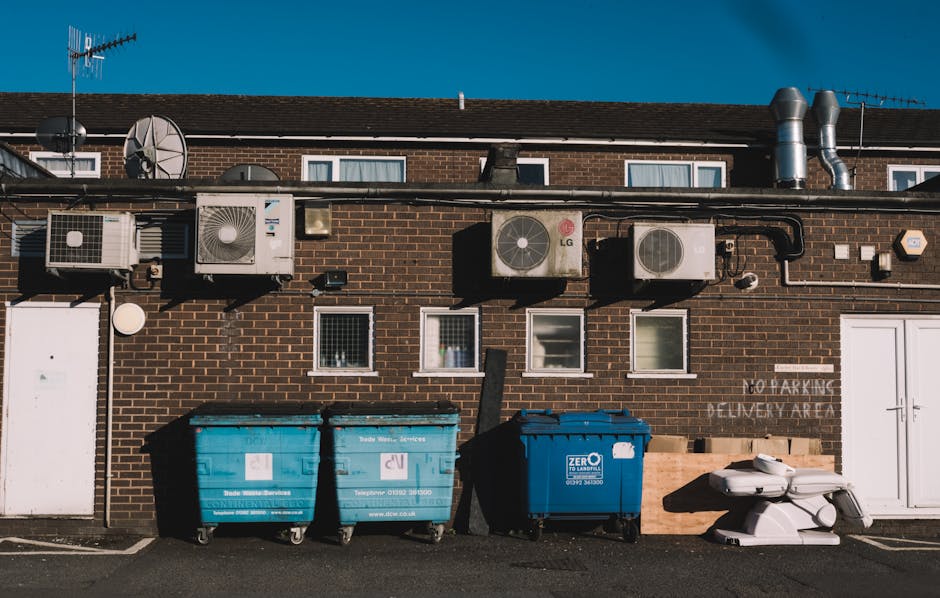
Dispose of Commercial Waste in Merton: Permits & Fines
If you run a shop, office, salon, cafe, rental property business, or any other local operation in Merton, commercial waste is one of those jobs that can quietly become a headache. One missed collection, one wrong bin use, or one unlicensed disposal can put you on the wrong side of the rules. And yes, the fines can sting.
This guide explains how to dispose of commercial waste in Merton properly, what permits may be needed, where businesses go wrong, and how to reduce the risk of penalties. We'll keep it plain English. No legal waffle. Just the useful stuff: what counts as commercial waste, how permits work, what councils and waste carriers usually expect, and the practical habits that keep you compliant.
You'll also find a checklist, a comparison table, a realistic example, and a short FAQ section for the questions people actually ask when they're trying to sort this out before the next clear-out. Let's face it, nobody wants a bin-related problem turning into a business problem.
Why Dispose of Commercial Waste in Merton: Permits & Fines Matters
Commercial waste is not the same as household rubbish. That sounds obvious, but in day-to-day business life it's easy to blur the line. A few delivery boxes, broken office chairs, old stock, packaging from fit-outs, cleaning waste, food waste, or waste from a landlord's business property can all fall into different categories depending on how they were generated and who is responsible.
In Merton, as in the rest of London, the big issue is responsibility. If waste is stored badly, collected by the wrong person, fly-tipped, or placed somewhere it should not be, the business owner or duty-holder may still be the one dealing with the consequences. That can mean extra costs, enforcement action, and in some cases penalties that are far more expensive than setting things up properly from the start.
There's also the simple practical side. A tidy waste system keeps shared entrances clear, avoids smells, reduces pests, and helps staff and customers move safely. In a small high-street shop or a busy office, you notice the difference immediately. The back area stays calmer. The bins stop becoming a mini disaster zone. Strange but true, that small bit of order often improves the whole feel of the premises.
If your business is property-related, hospitality-related, or office-based, the issue matters even more. If you manage buildings, own rental units, or deal with frequent changeovers, it may be worth reading more broadly about buying property in Merton or the realities described in Merton real estate strategies, because waste responsibility often becomes part of the wider ownership picture.
How Dispose of Commercial Waste in Merton: Permits & Fines Works
The process usually starts with one key question: is the waste commercial, and who is responsible for it? Once that's clear, the rest is easier.
Businesses normally need to separate commercial waste from household waste, keep it secure on-site, and arrange collection through an authorised waste contractor or an approved local process. If waste is being stored in a public-facing area, on a pavement, in a communal space, or in a way that affects the public highway, a permit or permission may be needed. That depends on the setup, the borough rules, and where the containers or sacks sit.
Permits can come into play when you need to place skips, temporary containers, or other waste storage on land that is not privately enclosed. Fines can follow when waste is put out without the right permission, when the wrong container is used, when the waste is dumped illegally, or when a contractor is not properly authorised. The exact enforcement route can vary, so if there's doubt, the sensible move is to ask before the waste piles up. Waiting until the back courtyard resembles a landfill is not ideal. Not even close.
There's another layer too: documentation. Good waste handling often means keeping records of who collected the waste, what it was, and when it left the premises. That paper trail matters if there's ever a complaint or inspection. For many operators, the easiest way to stay organised is to build waste checks into general business routines, much like booking regular cleaning or maintenance. If that's part of your operations, you may already be used to planning around services such as service schedules or keeping premises in order through office cleaning support.
Key Benefits and Practical Advantages
Doing commercial waste properly is not just about avoiding trouble. It gives you a few very practical wins.
- Lower risk of penalties: You're less likely to face fines for improper storage, unauthorised disposal, or using the wrong collection method.
- Cleaner premises: Waste control reduces clutter, leaks, odours, and pest attraction.
- Safer working conditions: Staff are less likely to trip over loose bags, broken packaging, or overflowing bins.
- Better reputation: Customers and clients notice whether a business looks managed or messy.
- Less admin stress: Once the waste process is set, it tends to run quietly in the background.
There's also a subtle financial benefit. People often focus on the cost of collections or permits and forget the cost of mistakes. A one-off fine, a missed collection, or paying for emergency disposal can easily outweigh the price of a proper arrangement. That's why many businesses use a simple long-term setup instead of reacting in a rush every few weeks.
In our experience, the best waste systems are rarely the most dramatic ones. They're the boring ones that keep working. Which, frankly, is exactly what you want.
Who This Is For and When It Makes Sense
This topic matters to a lot of different people in Merton. Some are obvious. Some less so.
- Retail shops generating packaging, damaged stock, and display waste
- Offices replacing furniture, printers, paper waste, and mixed recyclables
- Cafes and restaurants dealing with food waste, packaging, and grease-related disposal concerns
- Landlords and property managers handling clear-outs, tenant turnover waste, or refurbishment debris
- Salons, clinics, and studios needing secure handling for products, disposables, and fit-out waste
- Trades and contractors with rubble, packaging, timber, plasterboard, or removed fixtures
It also becomes important when you're moving out of a unit, doing a refit, or starting a new premises and suddenly realise there's far more cardboard, old shelving, and broken bits of office life than expected. That awkward middle stage, when everything is half-packed and someone asks, "Where does all this go?" - that's when the rules start mattering.
If your business touches customer-facing spaces, cleanliness and waste management often go hand in hand. A clean frontage matters, and so does what happens behind the scenes. For some businesses, that sits naturally alongside domestic cleaning in Merton for mixed-use premises or house cleaning support where a home-run business is operating from residential space.
Step-by-Step Guidance
If you want a practical route through this, here's the simplest way to handle it.
- Identify the waste type. Is it mixed commercial waste, food waste, cardboard, construction debris, electrical items, or something regulated?
- Decide where it will be stored. Keep it on private land if possible, and make sure the storage area is secure, tidy, and protected from rain, vermin, or spill risk.
- Check whether a permit is needed. If bins, skips, or containers will sit on public land or affect the pavement/highway, permissions may be required before placement.
- Use an authorised waste carrier. Do not assume someone with a van is automatically legitimate. Always verify that they are properly authorised for the type of waste involved.
- Keep records. Store collection notes, invoices, and any disposal paperwork so you can show where the waste went if asked.
- Separate waste streams. Mixed waste is usually more expensive and more difficult to handle than properly sorted materials.
- Review the setup regularly. If your business grows, your waste output changes too. The arrangement that worked for two staff may not work for ten.
A good rule of thumb: if you're making decisions in a hurry, slow down for ten minutes and check the disposal route. That ten minutes can save a lot of bother later.
Expert Tips for Better Results
These are the sorts of details that save people trouble in real life.
- Keep commercial waste separate from household waste. It sounds basic, but mixed use is one of the most common mistakes in small businesses.
- Label bins clearly. Staff are far more likely to use the right container when the signs are obvious and simple.
- Build waste checks into closing routines. A final walk-round at the end of the day catches overflowing sacks, loose cardboard, and items left by delivery teams.
- Choose collection frequency based on reality, not hope. If your bin is full every Thursday, a fortnightly service is probably not the one.
- Ask about bulky or one-off waste before the job starts. That avoids last-minute surprises when a clearance includes furniture, fixtures, or mixed materials.
One small but valuable habit is photographing waste storage areas before and after a clear-out. Not for social media, obviously. Just for internal records. If a dispute ever arises, those pictures can be surprisingly helpful.
Also, if your business involves regular cleaning or turnover work, align waste removal with cleaning schedules so everything happens in one smooth cycle. That approach is especially useful for offices, landlords, and serviced properties.

Common Mistakes to Avoid
Most penalties and problems come from the same handful of errors. The good news is they're very avoidable once you know them.
- Using a non-authorised collector. If waste is handed to the wrong person, responsibility can still come back to you.
- Leaving waste on the street too early. Bags placed out in advance can be damaged, scattered, or interpreted as improper disposal.
- Ignoring permit requirements for skips or containers. A skip on a public road is not just a logistics issue; it can become a compliance issue very quickly.
- Assuming small waste is harmless. Even small amounts of recurring waste can create a repeated breach if handled badly.
- Not training staff. If only one person knows the rules, the system falls apart the moment they're off sick.
- Mixing hazardous and general waste. That can create safety risks and make disposal much more complicated.
Truth be told, many of these mistakes happen because someone thinks, "It'll be fine for now." That line has probably caused more avoidable waste issues than anything else.
Tools, Resources and Recommendations
You do not need a mountain of tools to manage waste properly. A few sensible systems are enough.
- Colour-coded bins or labels: Helps staff sort waste without thinking too hard about it.
- Collection log: A simple spreadsheet or notebook with dates, volumes, and contractor details.
- Photo record: Useful for checks, handovers, and dispute prevention.
- Site waste map: A quick diagram showing where each waste stream should go.
- Staff reminder checklist: Handy for closing time, end-of-project clearances, or tenant move-outs.
For businesses that already run regular cleaning or premises maintenance, there's a nice overlap here. Keeping the environment orderly makes waste management simpler, and vice versa. If you want to see how a broader maintenance approach fits together, you may find the guidance on health and safety practices and insurance and safety useful in a wider operational sense.
And if you've ever had to juggle collections with a last-minute tidy-up before an inspection or handover, you'll know that timing matters. A lot.
Law, Compliance, Standards, or Best Practice
Commercial waste disposal in the UK is governed by responsibilities that are often framed around the duty to store, transfer, and dispose of waste properly. In plain English, that means businesses should make sure waste is handled safely, only passed to people who are allowed to take it, and recorded where appropriate. Local borough requirements can sit on top of that, especially where public land, skips, or street placement is involved.
Best practice usually includes the following:
- keeping waste secure on-site until collection
- using a properly authorised collector
- separating recyclable material where feasible
- storing records of transfer and collection
- checking whether a permit or permission is needed for anything placed outside the premises
Where regulations or local rules are unclear, it is sensible to confirm the current position before placing a skip, container, or bulk waste outside. That caution is not overkill. It's just good business. And it's much cheaper than dealing with a fine after the fact.
If your business regularly handles changeovers, clearances, or high-volume cleaning waste, it can help to review how those duties sit alongside service agreements and day-to-day site management. For example, some operators combine waste awareness with broader operational pages such as about us or pricing and quotes to make the scope of work clearer from the outset.
Options, Methods, or Comparison Table
Different disposal methods suit different businesses. Here's a quick comparison to help you choose the least painful option.
| Method | Best for | Pros | Watch out for |
|---|---|---|---|
| Scheduled commercial waste collection | Shops, offices, hospitality sites | Predictable, tidy, easy to plan around | Needs the right bin setup and frequency |
| Bulky waste collection | Furniture, fixtures, clear-outs | Good for occasional large items | Must confirm acceptable item types in advance |
| Skip hire | Refits, refurbishments, construction debris | Useful for large volumes and mixed loads | May require permission if placed on public land |
| Specialist disposal | Hazardous or regulated waste | Safer and more compliant for tricky materials | Usually more controlled and sometimes more expensive |
The right choice depends on volume, waste type, space, and how often you generate it. There's no perfect option for everyone. A cafe and a small consultancy are not playing the same game, so their waste systems should not look the same either.
Case Study or Real-World Example
Here's a simple, realistic example.
A small independent office in Merton is refurbishing its meeting room. The team has old chairs, broken shelving, cardboard from new deliveries, and a few bags of general rubbish from a deep tidy-up. At first, they plan to leave everything outside the building for a contractor to collect on a Monday morning. Convenient? Yes. Compliant? Not necessarily.
Once they check the setup, they realise the chairs and shelving need a separate bulky waste route, the cardboard can be flattened and recycled, and the bags should not be left out early where they could blow onto the pavement. They also learn that if a skip is needed, placement may require permission depending on where it sits.
So they change the plan: one scheduled collection for general waste, one bulky item collection, and a clear internal process for flattening cardboard and storing it inside until pickup. The result is boring in the best way. No mess at the entrance, no complaints from neighbours, and no awkward conversation about why the rubbish was sitting out all weekend.
That's the real lesson. Most waste issues do not come from huge failures. They come from small gaps in planning. Fix the gaps, and the whole thing calms down.
Practical Checklist
Use this before your next collection or clear-out.
- Have you confirmed whether the waste is commercial, bulky, or specialist?
- Is the waste stored securely and away from public access?
- Do you know whether a permit or permission is needed for any external placement?
- Are you using an authorised waste collector?
- Have you separated recyclables, general waste, and any hazardous items?
- Do you have records of collection or transfer?
- Have staff been told where waste should go and when it should be put out?
- Is the collection schedule realistic for your actual volume?
- Have you checked whether bulky items need different arrangements?
- Is the area around bins, sacks, or skips kept clear and safe?
If you can tick all of those off, you're already in much better shape than many small businesses. Really, that's half the battle.
Get a free quote today and see how much you can save.
Conclusion
To dispose of commercial waste in Merton properly, you need three things: the right waste route, the right permissions where needed, and a habit of keeping records. That combination protects your business from avoidable fines, keeps your premises cleaner, and makes day-to-day operations easier.
Permits and fines can sound like a dry topic, but in the real world they affect cash flow, reputation, and the smooth running of the business. Get the basics right now, and you save yourself a lot of awkwardness later. A tidy waste setup is one of those unglamorous wins that quietly makes everything else work better.
And if you're already improving the rest of your premises, waste management is just another smart piece of the puzzle. Small effort. Big difference.